
Northern Westchester, located just north of New York City, is known for its picturesque landscapes, quaint towns, and lush greenery. However, what many people may not know is that the region also boasts an extensive reservoir system that serves millions of people in the New York City metropolitan area. This reservoir system plays a crucial role in supplying clean drinking water to millions of people in the region, and its importance cannot be overstated. In this essay, I will provide an overview of the reservoir system in Northern Westchester, its history, its current state, and its importance to the region.
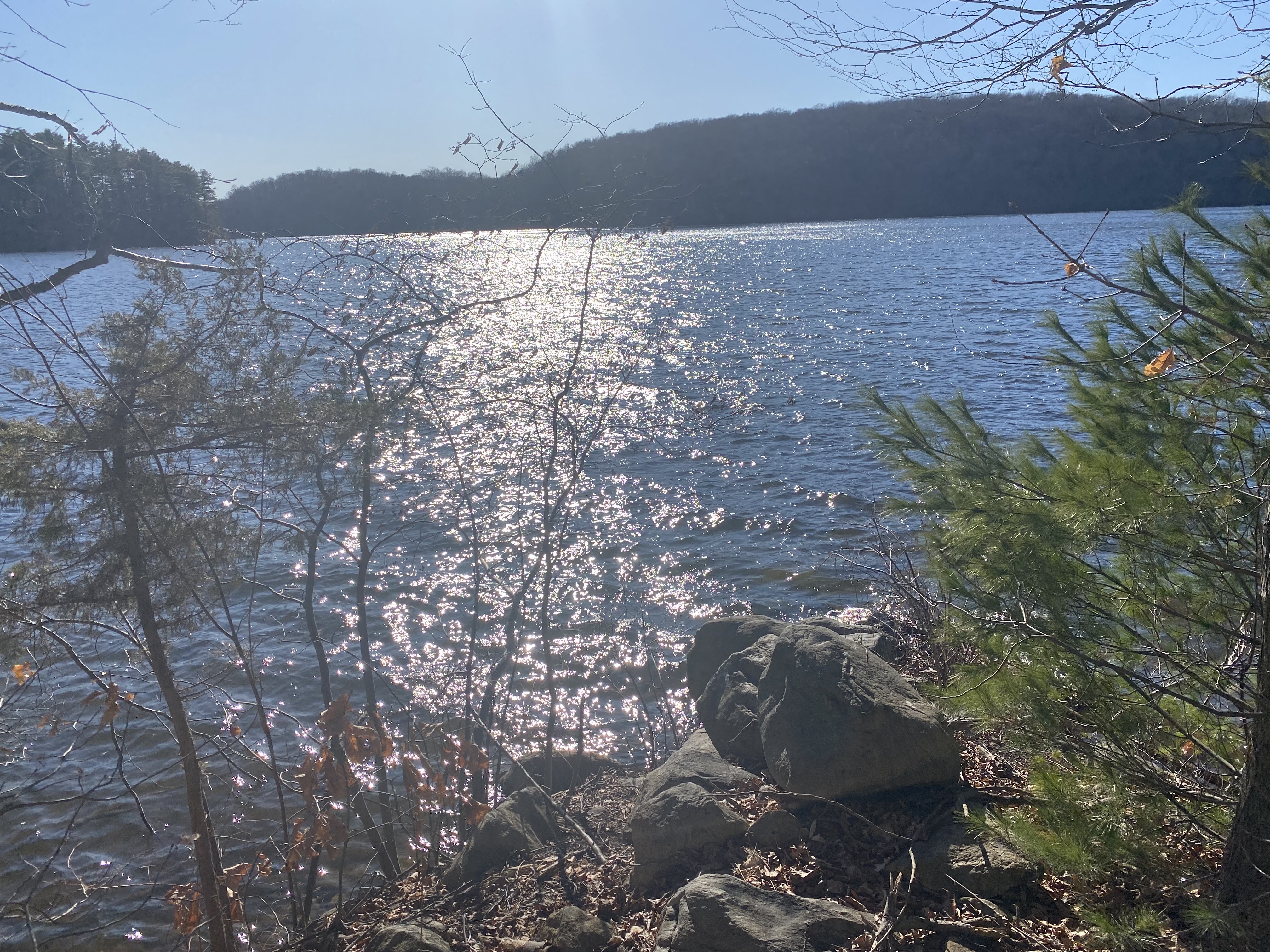
The reservoir system in Northern Westchester is made up of several large bodies of water, including the Croton Reservoir, the Muscoot Reservoir, the Amawalk Reservoir, and the New Croton Reservoir. These reservoirs are fed by a network of streams and rivers, including the Croton River and the Muscoot River. The water from these reservoirs is treated at various water treatment plants before being distributed to millions of people in the New York City metropolitan area.
The history of the reservoir system in Northern Westchester dates back to the mid-19th century when the New York City Board of Water Supply was established to ensure a reliable supply of clean drinking water for the growing population of the city. The Croton Aqueduct, completed in 1842, was the first major infrastructure project undertaken by the Board of Water Supply. The aqueduct was designed to bring water from the Croton River in Northern Westchester to New York City.
Over the years, as the population of New York City continued to grow, the demand for water increased, and the Board of Water Supply embarked on a series of ambitious projects to expand the reservoir system in Northern Westchester. In the early 20th century, the New Croton Aqueduct was built to supplement the Croton Aqueduct, and several new reservoirs were constructed, including the New Croton Reservoir, which is the largest reservoir in the system.
Today, the reservoir system in Northern Westchester is managed by the New York City Department of Environmental Protection (DEP). The DEP is responsible for maintaining the infrastructure of the reservoir system, monitoring water quality, and ensuring that the water is safe for consumption. The DEP also works closely with local communities to promote environmental conservation and to protect the natural resources in the region.
The reservoir system in Northern Westchester is an essential source of drinking water for millions of people in the New York City metropolitan area. The water from these reservoirs is treated at various water treatment plants, including the Catskill/Delaware Water Treatment Plant, the Croton Water Treatment Plant, and the UV Facility. These treatment plants use a variety of advanced technologies to remove contaminants from the water, including bacteria, viruses, and chemicals.
The importance of the reservoir system in Northern Westchester cannot be overstated. The water from these reservoirs is not only essential for drinking, but it also plays a crucial role in supporting the economy of the region. The water is used for irrigation, industrial processes, and recreational activities, such as fishing and boating. Additionally, the reservoir system provides an important source of revenue for local communities, as the DEP pays millions of dollars in property taxes to the towns and villages where the reservoirs are located.
Despite the importance of the reservoir system in Northern Westchester, there are some challenges that need to be addressed to ensure its sustainability. One of the biggest challenges is the impact of climate change on the region. Rising temperatures and changing precipitation patterns could affect the quality and quantity of the water in the reservoirs, potentially leading to shortages in the future. To address this issue, the DEP is working to develop new strategies to adapt to the changing climate and to ensure the long-term sustainability of the